Source Moisturizing Six Peptides Serum for Face Body Neck
Find 30 moisturizing six peptides serum options from verified manufacturers in China. Compare features like anti-aging, firming, and whitening capabilities across different volumes and packaging styles for your skincare business.
Key considerations
Products List


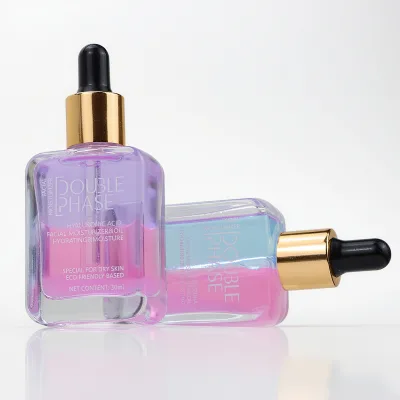
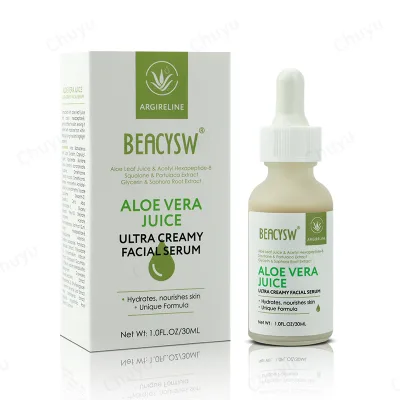


Comprehensive Sourcing Guide
Strategic Sourcing Guide for Moisturizing Six Peptides Serum
Understanding the Product Category and Technical Specifications
The term "moisturizing six peptides serum" refers to a specialized skincare formulation designed to deliver multiple peptide complexes alongside hydrating agents to the epidermis. In the context of B2B procurement, this product is not a monolithic item but a category defined by specific functional attributes and customizable technical parameters. Based on available market data, the core product is often identified simply as a "Serum" or "Face Serum," with specific model variations such as "Pink Peptide 12 PDRN Serum," "Rejuvenating Serum," and "Long style Oligopeptide Serum." These designations indicate that the active ingredient profile may vary, potentially including peptide complexes, PDRN (Polydeoxyribonucleotide), and other bio-active compounds.
The physical specifications of these serums are highly flexible to accommodate private label requirements. The standard volume observed in the market ranges from small trial sizes of 10ml to larger commercial units of 30ml, 46ml, and up to 100ml. The "customized" nature of the standard is a critical procurement factor; buyers must verify if the manufacturer can adjust the volume to specific requirements, such as the 30ml or 100ml options frequently listed. The texture is typically described as a "Lightweight Serum" or "Lotion," ensuring rapid absorption without a greasy residue. The packaging format varies significantly, ranging from "Drop Bottle" systems to "Paper Box" enclosures and "Blank Bags Package" for bulk distribution. Some suppliers offer express packaging solutions with specific dimensions, such as 464615 cm, which are essential for logistics planning.
Compliance Framework and Certification Verification
For any skincare product entering the international market, particularly those claiming anti-aging and moisturizing benefits, regulatory compliance is the primary gatekeeper. The supply chain for peptide serums typically operates under strict certification frameworks. The most common certifications observed in this sector include CE, FDA, GMP (Good Manufacturing Practice), and MSDS (Material Safety Data Sheet).
When evaluating a potential supplier, the buyer must verify the specific certification status for the product batch. While some listings indicate a combination of CE, GMP, and MSDS, others may include FDA and GMP. It is crucial to understand that the presence of these certifications does not guarantee that every single SKU from a supplier holds all of them simultaneously. The buyer should request current, valid certificates for the specific "moisturizing six peptides serum" model being sourced. The GMP certification is particularly vital as it ensures the manufacturing environment meets hygiene and quality control standards. The MSDS is essential for shipping compliance, detailing the chemical composition and safety handling requirements for the active ingredients, which may include vitamins, collagen, and plant extracts.
Furthermore, the origin of the product plays a role in regulatory acceptance. Most of the observed supply originates from Guangdong and Guangzhou, China. Buyers targeting the European market must ensure CE certification is robust, while those targeting the United States must confirm FDA registration or compliance. The "Professional High" quality attribute often cited in product descriptions should be backed by these tangible certifications rather than marketing claims alone.
Cost Drivers and Minimum Order Quantity Dynamics
The pricing structure for peptide serums is influenced by several variables, including the complexity of the formula, the volume of the order, and the level of customization required. The observed price range in the market spans from approximately $0.85 to $30.00 USD per unit. This wide disparity is not necessarily indicative of quality differences but rather reflects the scale of production and the degree of customization.
The Minimum Order Quantity (MOQ) is a significant cost driver. Data indicates that MOQs can range from as low as 1 unit for sample or testing purposes to as high as 5,000 units for full-scale production runs. A common threshold for private label production appears to be 1,000 pieces. Orders falling below this threshold may incur higher per-unit costs due to the setup time required for custom labeling and formula adjustments. Conversely, orders exceeding 5,000 units may benefit from economies of scale, though the specific pricing tiers are not fixed and must be negotiated.
Additional cost factors include the "Customized Private Logo" service and the "Custom Formula" option. Suppliers offering "OEM/ODM Available" services typically charge a premium for the research and development of a unique formula. The inclusion of specific active ingredients, such as Vitamin C, Hyaluronic Acid, or specialized peptides, will also impact the final unit cost. Buyers should anticipate that the "17 Years Experience" advantage claimed by some suppliers may translate into more stable pricing and better negotiation leverage, but this must be verified through direct inquiry rather than assumed.
Typical Applications and Target Market Segmentation
The "moisturizing six peptides serum" is designed for a broad spectrum of skincare needs, making it versatile for various market segments. The primary application is for facial care, specifically targeting "Face," "Body," and "Neck" areas. The product features are explicitly listed as "Anti-Aging," "Anti-Wrinkle," "Firming," "Whitening," "Lightening," "Nourishing," and "Skin Revitalizer." These features align with the growing consumer demand for multi-functional skincare solutions that address both hydration and structural skin integrity.
The target demographic is predominantly female, as indicated by the "Gender: Female" attribute, though the "Suitable for: All Skin Types" claim suggests a broader potential audience. The efficacy of the product is centered on "Anti Aging" and "Anti Wrinkle," making it a key item for brands targeting mature skin concerns. The inclusion of "Dark Circles" as a feature indicates specific formulations may be marketed for eye-area care or general facial rejuvenation.
In terms of usage, the product serves as a "Skin Revitalizer" and "Moisturizer." This dual function allows it to be positioned as a standalone treatment or as a step within a larger skincare regimen. The "Main Ingredient" profile, which often includes vitamins, plant extracts, and collagen, supports the "Nourishing" and "Lightening" claims. Buyers should note that while the product is marketed for "All Skin Types," the specific formulation (e.g., the presence of Vitamin C or specific peptides) should be matched to the sensitivity levels of the target consumer base to ensure efficacy and safety.
Supplier Evaluation and Operational Capabilities
Selecting the right supplier requires a deep dive into their operational capabilities beyond just the product listing. A critical factor is the supplier's ability to handle "OEM/ODM Private Label" services. This includes the capacity to create a "Custom Formula," apply a "Customized Private Logo," and manage the "Paper Box" or "Drop Bottle" packaging. The "Service" attribute often highlights "OEM ODM Private Label" as a core competency, but buyers must verify the extent of this service. Can the supplier modify the base formula to include specific peptides? Can they handle the logistics of "Express" packaging?
The location of the manufacturing facility is another evaluation point. The observed supply originates from "Guangdong, China" and "Guangzhou." These regions are known for their mature cosmetic manufacturing ecosystems. Buyers should assess the proximity of the factory to ports for shipping efficiency. Additionally, the "Advantage: 17 Years Experience" mentioned in some profiles suggests a level of stability and expertise. However, this should be corroborated with requests for factory audits or references from existing clients.
The "Shelf Life" of the product is a standard metric for supplier reliability. A typical shelf life of 3 years is observed in the market, which is a healthy duration for inventory management. Buyers should verify that the supplier's production processes maintain this shelf life through proper preservative systems and packaging integrity. The "Quality: Professional High" claim should be backed by internal quality control protocols, ensuring that every batch meets the stated specifications for volume, texture, and active ingredient concentration.
Quality Control and Long-Term Procurement Strategy
Ensuring consistent quality is paramount in the skincare industry. The "Quality: Professional High" attribute must be translated into actionable quality control (QC) measures. Buyers should implement a rigorous QC protocol that includes checking the "Texture" for consistency, verifying the "Volume" accuracy (e.g., ensuring 30ml or 100ml fills are precise), and testing the "Active Ingredients" concentration. The "Main Ingredient" list, which may include vitamins and collagen, requires verification to ensure the stated amounts are present in the final product.
For long-term procurement, the relationship with the supplier should be built on clear communication regarding the "Customization" options. The ability to adjust the "Standard" (e.g., 30ml/customized) and the "Packing" (e.g., Blank Bags Package vs. OEM Paper Package) is essential for adapting to market trends. Buyers should also consider the "MOQ" flexibility. While 1,000 pieces is a common baseline, establishing a relationship that allows for smaller, more frequent orders can reduce inventory risk.
Finally, the "Lead Time" and "Logistics" should be factored into the procurement strategy. While specific lead times are not provided in the general data, the "Express" packaging option suggests that some suppliers offer expedited shipping. Buyers should negotiate clear timelines for production and delivery to avoid stockouts. The "Shelf Life" of 3 years provides a buffer for inventory holding, but it is crucial to manage stock rotation to ensure products are sold before expiration. By focusing on these technical and operational details, buyers can secure a reliable supply of high-quality moisturizing six peptides serum that meets both regulatory standards and market demands.
FAQs
What certifications do moisturizing six peptides serum suppliers hold?
Suppliers typically hold CE, FDA, GMP, and MSDS certifications. Buyers must verify that specific batches possess all required documents, as listings may vary between CE, GMP, and MSDS or FDA, GMP, and MSDS combinations.
Can I customize the volume and packaging for this serum?
Yes, customization is available for volume and packaging. Standard options include 10ml, 30ml, 46ml, and 100ml sizes, with packaging ranging from drop bottles and paper boxes to blank bags for bulk distribution.
What is the minimum order quantity for private label production?
The minimum order quantity is typically 1,000 pieces for private label production. However, some suppliers accept orders as low as one unit for samples, while full-scale runs may require up to 5,000 units.
Where are the manufacturers of this serum located?
Manufacturers are primarily located in Guangdong and Guangzhou, China. These regions offer mature cosmetic ecosystems, and buyers should verify factory proximity to ports for efficient logistics and shipping arrangements.
How long is the shelf life of the moisturizing six peptides serum?
The standard shelf life is three years. Buyers should confirm that the supplier maintains this duration through proper preservative systems and packaging integrity to ensure product stability during storage and transport.
What active ingredients are commonly found in this serum?
Common active ingredients include peptides, Vitamin C, Hyaluronic Acid, collagen, and plant extracts. The specific formulation varies by model, with some featuring PDRN or oligopeptides for targeted anti-aging and revitalizing effects.